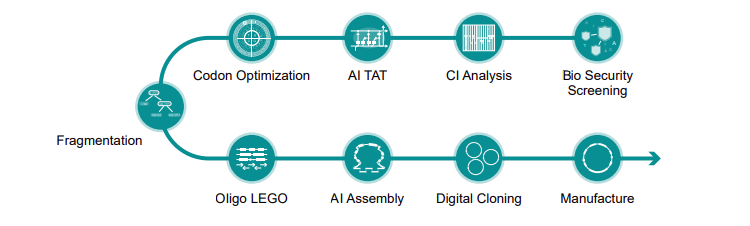
In the field of gene therapy, selecting the optimal vector construction strategy is essential to ensure precise and efficient outcomes. Companies like Synbio Technologies provide specialized services that combine design, synthesis, and cloning, offering solutions that cater to both research and therapeutic development. Leveraging Whole Gene Synthesis and Gene Synthesis and Cloning enables researchers to address various challenges in gene therapy projects. Understanding the factors that influence strategy choice can help streamline experimental workflows and improve the likelihood of success.
Key Factors to Consider in Strategy Selection
Choosing the right construction approach requires careful consideration of multiple factors. The complexity and size of the gene insert play a crucial role, as large or intricate sequences often benefit from a Whole Gene Synthesis approach, which allows the entire gene to be synthesized in one piece and reduces the risk of errors during cloning. Turnaround time and throughput are also significant, as projects requiring rapid iteration or multiple variants can take advantage of Gene Synthesis and Cloning, which integrates synthesis and subcloning efficiently. Additionally, sequence fidelity is critical for therapeutic applications, and Whole Gene Synthesis ensures the final construct precisely matches the designed sequence, providing confidence in reproducibility and regulatory compliance.
Comparing Whole Gene Synthesis and Cloning Approaches
Different construction methods offer distinct advantages depending on project requirements. When opting for Whole Gene Synthesis, researchers can incorporate codon optimization, remove undesired restriction sites, and add regulatory elements seamlessly, which is particularly useful for novel or synthetic constructs. In contrast, classical cloning methods combined with Gene Synthesis and Cloning are often sufficient for modifications to existing templates, where only minor insertions or substitutions are needed. Both approaches benefit from quality control processes, including sequencing and verification, which minimize errors and ensure the reliability of the final vector.
Application-Based Recommendations
The intended use of the gene therapy vector strongly influences the choice of construction strategy. For preclinical research or high-throughput screening, Gene Synthesis and Cloning provides the flexibility and speed necessary to test multiple variants efficiently. In therapeutic vector development or clinical-grade constructs, Whole Gene Synthesis is more suitable, offering high sequence accuracy and control over design. Furthermore, when designing entirely novel genes or synthetic regulatory networks, Whole Gene Synthesis is often the most practical approach, while small modifications to known genes can be accomplished with a combined synthesis and cloning workflow. Working with Synbio Technologies ensures that each strategy is supported by professional design and manufacturing expertise.
Conclusion
Selecting the most appropriate vector construction strategy involves balancing factors such as insert complexity, project timelines, and application requirements. Whole Gene Synthesis is ideal for highly modified or clinical-grade constructs, while Gene Synthesis and Cloning offers speed and flexibility for research-focused applications. By carefully assessing the specific needs of a project, researchers can make informed decisions that improve efficiency and reduce risks. Services provided by Synbio Technologies integrate design, synthesis, and cloning, supporting reliable vector construction for both experimental and therapeutic purposes.
