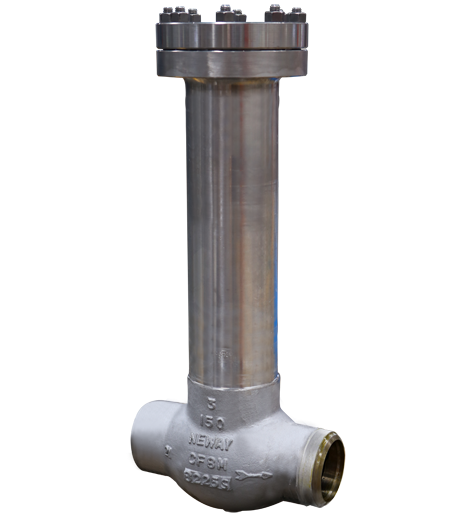
The efficiency and reliability of liquid hydrogen valves are crucial in various industrial applications involving hydrogen storage and transportation. Understanding factors such as thermal contraction is vital for optimizing liquid hydrogen valve performance. A reputable liquid hydrogen valve factory, such as Neway Valve, offers advanced solutions designed to meet stringent engineering requirements.
Impact of Thermal Contraction on Valve Materials
Thermal contraction significantly influences the materials used in liquid hydrogen valves. Due to the low temperatures associated with hydrogen, typically ranging from -253°C to +80°C, materials must be carefully selected to prevent failure from thermal stress. Neway Valve incorporates high-quality materials that maintain structural integrity, ensuring optimum performance even in extreme conditions. The valve body’s vacuum-jacketed design effectively minimizes heat ingress, which is essential in maintaining temperature stability and preventing sublimation.
Design Innovations for Enhanced Functionality
One notable design feature employed by Neway Valve is the guided disc with a spring-return mechanism. This innovation aids in maintaining reliable closure, thereby reducing the risk of leakage and vaporization. The extended valve body and rapid connection types—including SW, BW, and RF—offer versatility in installation, facilitating seamless integration into various systems for efficient liquid hydrogen management.
Advantages of Extended Stem Configuration
The incorporation of a PCTFE-based extended stem minimizes vaporization space, significantly enhancing valve performance. This tailored design not only ensures efficient operation but also aligns with the safety requirements crucial for handling liquid hydrogen. The extended stem configuration in Neway Valve products allows for superior control over liquid hydrogen flow, which is essential for maintaining stable operational conditions in hydrogen applications.
Conclusion
Incorporating advanced thermal management strategies, Neway Valve stands out in the liquid hydrogen valve factory sector by addressing the challenges brought on by thermal contraction. Its innovative designs, focused on reducing vaporization and maintaining structural integrity at cryogenic temperatures, underscore its commitment to delivering high-performance liquid hydrogen valves. With a clear understanding of thermal dynamics and robust engineering solutions, Neway Valve continues to play a significant role in the evolving hydrogen landscape.
