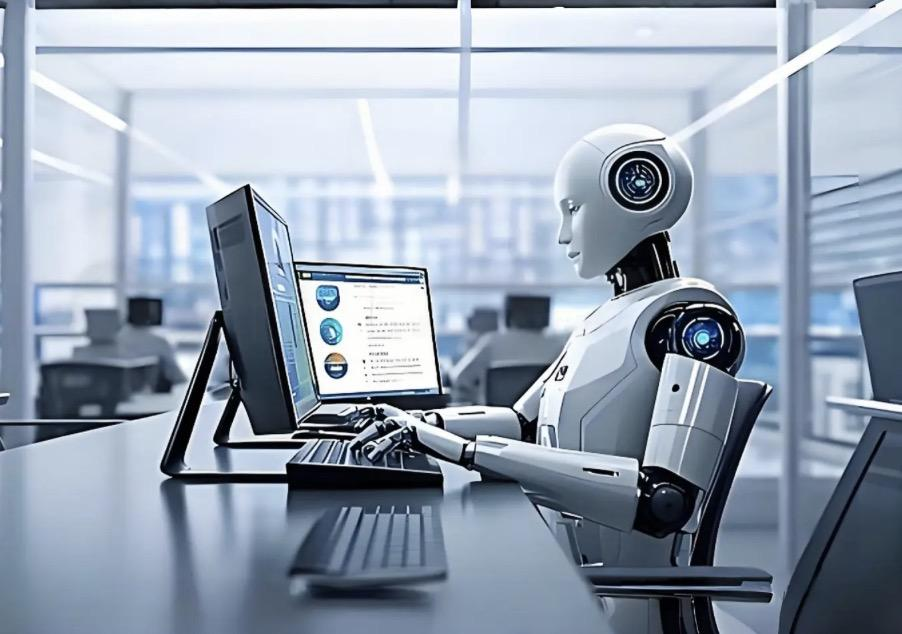
The rapid expansion of artificial intelligence across industrial automation, edge computing, and enterprise server infrastructures has fundamentally transformed how hardware engineers approach system design. As machine learning models grow in complexity and data throughput requirements escalate, the hardware supporting them must deliver exceptional computational performance while maintaining stringent thermal and power efficiencies.
A common inquiry among design engineers working on next-generation computing systems is: How can power management and signal chain components keep pace with the demanding load transients of modern AI accelerators? While processor architectures determine much of an Al system’s computational capability, supporting ICs such as power management and signal chain devices contribute to stable power delivery, accurate sensing, and reliable system operation.
The Intersection of Analog Precision and AI Processing
Integrating artificial intelligence into industrial machinery and enterprise server systems involves far more than raw computational power. Edge AI hardware must interpret massive, continuous streams of analog sensory data, ranging from high-speed optical sensors on automated assembly lines to vibrational telemetry in dense server enclosures. Engineers frequently ask: What role do analog integrated circuits play in maintaining signal integrity for edge AI devices?
In practical application scenarios, such as predictive maintenance systems deployed in smart manufacturing plants, microcontrollers and precision data converters must process continuous analog inputs with minimal latency and high fidelity. Texas Instruments components excel in this domain by offering high-resolution data conversion, low noise profiles, and robust interface ICs that withstand harsh industrial electromagnetic interference.
However, acquiring these specialized semiconductors during peak market cycles requires partnering with experienced Texas Instruments distributors who maintain diversified inventory networks. Through reliable supply channels, procurement teams can secure genuine silicon without compromising production schedules or risking system failures due to substandard components.
Power Management and Thermal Integrity in AI Hardware
Power delivery represents one of the most formidable challenges in modern AI hardware development. High-performance accelerators and neural processing units experience sudden, extreme load spikes during training and real-time inference tasks.
This operational volatility demands advanced power management integrated circuits capable of delivering ultra-fast transient response and tight voltage regulation. If supply voltage falls outside a processor’s operating limits the system may experience instability, resets, or incorrect operation, depending on the severity of the deviation and the system design.
Designers often evaluate how voltage regulators and power stage solutions mitigate thermal dissipation in confined industrial enclosures. Because excessive heat degrades semiconductor performance, selecting components engineered for superior thermal stability is paramount.
When original equipment manufacturers face urgent engineering change notices or unexpected chip shortages, sourcing through established TI authorized distributors helps support access to fully traceable, factory-authentic components. These specialized distributors provide critical inventory visibility, technical insights, and flexible fulfillment options, helping European and American industrial and server clients navigate complex allocation hurdles effectively without incurring costly project delays.
Navigating Supply Chain Volatility for Advanced Silicon
Maintaining uninterrupted production lines for AI-driven hardware demands proactive supply chain management and responsive supplier relationships. Procurement professionals frequently encounter lead time bottlenecks and price volatility when sourcing specialized semiconductor devices. To mitigate these risks, industry leaders collaborate with versatile independent distributors that complement traditional factory-direct channels.
For instance, Mayhwa operates as a fast-growing independent electronic component distributor headquartered in Hong Kong, dedicated to providing comprehensive global procurement and supply chain solutions for worldwide electronics manufacturing clients.
Over the years, they have aggregated robust resources from more than 2,000 global electronic component suppliers. By sourcing large volumes of inventory directly from manufacturers as well as recognized authorized distributors such as Arrow, Future, WPG, and Avnet, they help clients tackle intricate challenges including urgent sample requests, unexpected chip shortages, and sudden production scaling.
With over 3,000 inventory stock keeping units stored securely across professional warehouses in Shenzhen and Hong Kong, they serve global clients across diverse regions, supporting demanding sectors like industrial automation, energy, and medical equipment with consistent service quality. As an established market entity, Mayhwa continues to expand its footprint across Europe and America by focusing on transparent pricing and rapid fulfillment.
Best Practices for Procuring Semiconductors for Al Hardware
Achieving greater supply stability in hardware manufacturing requires systematic risk mitigation rather than reactive purchasing. Engineering and supply chain teams can adopt several practices to reduce exposure to market disruptions:
Diversify Sourcing Channels: Combine factory-direct allocations with vetted independent partners to build a resilient supply chain matrix that withstands regional shortages and logistical bottlenecks.
Prioritize Component Authenticity: Verify supplier authorization where applicable, review traceability records, and assess available inspection documentation to help manage counterfeit and quality risks.
Monitor Lifecycle Trends: Track semiconductor roadmaps closely to anticipate obsolescence cycles and identify pin-to-pin compatible alternatives early in the design phase.
Leverage Distributor Expertise: Consult electronic component distributors about availability, pricing, lifecycle status, and sourcing documentation. When Tl authorization is required, verify the distributor against Ti’s current authorized distributor list.
As artificial intelligence continues to reshape industrial automation and enterprise server landscapes, the demand for high-performance, thermally stable silicon will only intensify. By combining advanced Texas Instruments components with robust procurement and supply chain strategies, manufacturers can build scalable, highly efficient AI hardware capable of thriving in demanding operational environments.
Long-term relationships with reliable channel partners may improve visibility into component availability and help manufacturers plan for supply constraints and production requirements.
