Coating, porosity, active formulation, and heat treatment are manufacturing variables that can change behavior between two nominally identical catalyst batches. Those differences may not be visible at receipt, yet they can alter reaction rate, pressure, or durability. Manufacturing quality is therefore the control of the characteristics that connect an approved design to each delivered batch.
The problem appears in both chemical processing and vehicle emission control, although the measurements differ. A catalyst sulfuric acid production file addresses a shaped V₂O₅ grade and its thermal behavior.
A factory catalytic converter file addresses the specified substrate, active coating, dimensions, and installed exhaust duty. Neither product is validated merely because the final piece resembles a reference sample.
Translate Industrial Grades into Controls
A named industrial grade is useful only if its defining properties can be reproduced. Ignition temperature, continuous operating range, thermal stability, bulk density, and shaped geometry are different kinds of specification. Each points to a manufacturing or inspection variable. A measured drift can affect reactor loading, gas contact, or the thermal window expected from the selected material.
Bulk density and shape affect how catalyst occupies reactor volume and how gas passes through the bed. Active formulation and preparation influence chemical behavior. A batch control plan therefore needs both material and physical checks.
A nominal composition without a consistent shaped product may create a different bed; a consistent shape without the intended active formulation may miss the reaction target.
Process records explain why a lot met its result, rather than merely reporting that it did. A change in raw material or furnace cycle can be correlated with later inspection against the approved specification for that grade, allowing drift to be investigated before more units are shipped.
For a catalyst sulfuric acid order, a lot report can compare measured properties with the agreed grade limits. Sampling and test conditions determine how a lot measurement represents the delivered material and how later plant behavior can be traced to it. A single catalog value is less useful when no link identifies which batch was loaded into a particular converter.
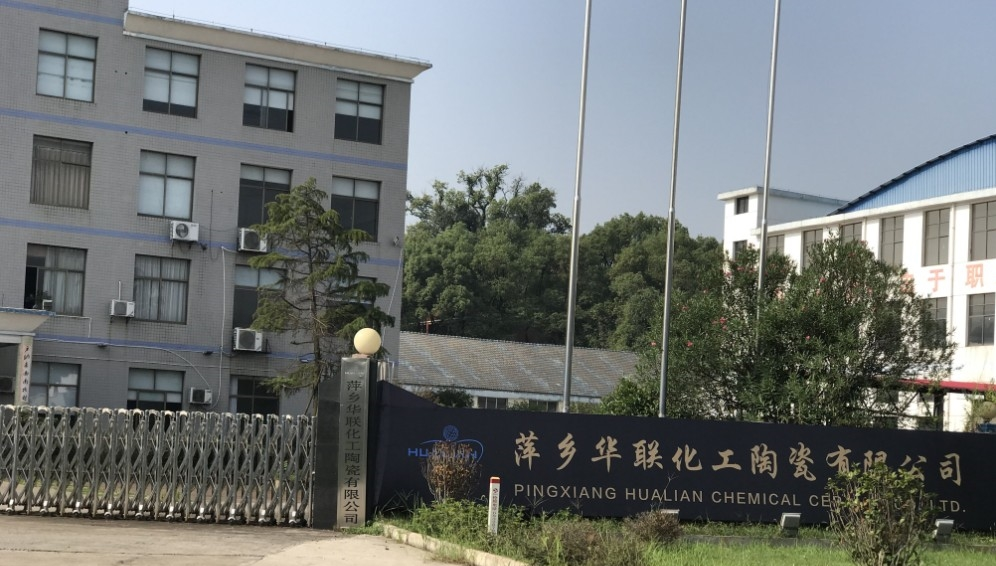
Sulfuric-acid V₂O₅ grades at Hualian Catalyst carry grade-specific values for these characteristics. These set the plant order’s acceptance framework and distinguish a continuous operating range from a stability limit. Grade-specific records preserve that distinction during inspection, preventing a shared product-family name from obscuring which limits apply to delivered material.
Control the Automotive Manufacturing Route
Vehicle-emission products add different interfaces. A substrate must fit its housing, carry the intended coating or active material, and remain intact under vibration and thermal cycling. Manufacturing steps that alter channel geometry, washcoat coverage, or shell dimensions can change pressure and conversion even though the product name is unchanged.
Hualian’s automotive OEM route begins with design and molds; raw-material preparation precedes production, high-temperature sintering, inspection, packaging, and storage. Each stage has a different control question. A mold fixes geometry; preparation determines material inputs; sintering affects the finished structure; inspection checks whether the resulting part meets the approved requirement.
The sequence does not end at the furnace. A factory catalytic converter can be damaged or confused with another revision during handling, packaging, or storage. Clear identification preserves the link from drawing and process settings to the units actually shipped. This is especially relevant when OEM customization creates several similar-looking versions for different engines.
Inspection also needs more than one number. Dimensions and visual integrity address fit and handling, while performance tests address conversion or pressure at stated conditions. The sampling plan decides what a lot result can represent. An isolated passing specimen does not prove every unit identical, but controlled records can show whether the process stayed within agreed limits.
Connect the Report to the Order
Hualian says order quality control includes industrial-standard testing and an associated report before delivery. The report becomes valuable when it identifies the tested product, lot, revision, method, measured values, and acceptance criteria. Without those links, a certificate may describe general capability while leaving the delivered order hard to verify.
The critical comparison is between the result and the requirement that existed when the part was approved. A later design change may require new limits or tests; otherwise, a report for an earlier revision can be attached to a different product. Traceability allows the buyer to see whether the change affected geometry, chemistry, or a process condition.
Chemical and automotive products need different measurement sets but the same discipline in recording them. For the industrial grade, temperature and shaped-material properties are central.
For the vehicle unit, fit, substrate or coating state, pressure, and emissions-related function become relevant. The phrase factory catalytic converter names a production setting, not proof that all these controls occurred.
A deviation found at receipt can be traced backward from the shipped item through batch inspection and process settings to the approved specification. A catalyst sulfuric acid grade and a vehicle converter require different tests along that route.
The order-specific report supplies the measured link, locating whether the discrepancy arose in material preparation, manufacture, inspection, or the identification of the delivered configuration.
