A clear explanation of the difference between coupled inductor and transformer helps engineers evaluate magnetic parts during power-system design. These components may look similar in structure, yet their functions diverge based on how energy is transferred or stored. Many global manufacturers continue to refine such devices, and Mentech follows this direction as they support customers in communication equipment, automotive electronics, and new-energy applications.
Functional Characteristics in Power-Conversion Circuits
Exploring the difference between coupled inductor and transformer requires an understanding of their electrical behavior. A transformer moves energy between windings and is commonly applied for voltage adjustment or isolation. A coupled inductor, in contrast, stores energy while also managing magnetic coupling between windings, enabling current balancing or multi-output control in switching topologies. Because each device addresses different circuit goals, engineers compare inductance, current capability, winding construction, and expected thermal performance. With a broad technical background, Mentech supports design evaluations and offers manufacturing options that match these requirements without overstating performance claims.
Applying Specifications Through a Practical Example
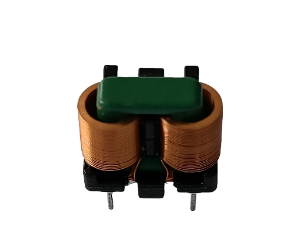
Engineering work becomes clearer when specific parameters are reviewed. Their SQ-1212 vertical inductor, used in switch-mode power supplies, follows a DIP mounting format and measures 17.5 mm in length, 11 mm in width, and 17.5 mm in height. It provides a 7–25 mH inductance range with a rated current of 0.8–2.2 A, allowing it to suit different converter stages. These details help illustrate the practical difference between coupled inductor and transformer, especially when designers must meet efficiency goals, maintain layout flexibility, and ensure stable mass-production results. With a complete product range, they enable one-stop procurement for various project types.
Conclusion: Choosing Components That Support Reliable Designs
Understanding the difference between coupled inductor and transformer gives engineers the background they need to build dependable power-conversion systems. By reviewing functional behavior and examining real device data, designers can make informed decisions for automotive, communication, or energy-storage equipment. With automated production lines, in-house tooling capability, long-term manufacturing experience, and consistent quality management, Mentech offers magnetic components that align with diverse engineering requirements and long-term procurement needs.
