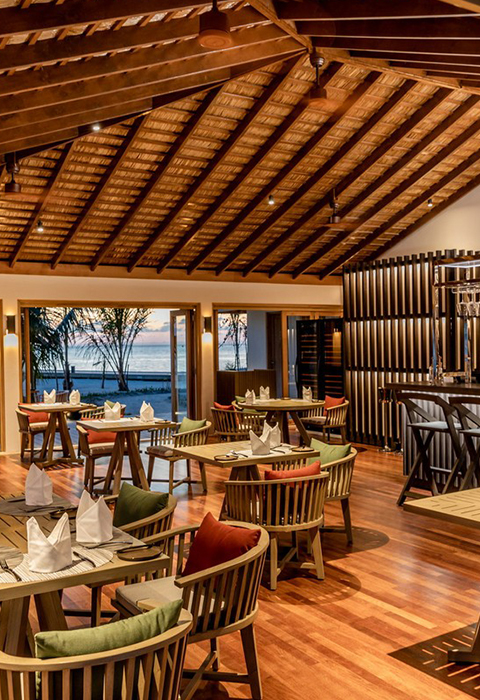
Luxury restaurants are not only defined by their menus and service. The atmosphere, seating comfort, space planning, and visual details also influence how guests experience a dining environment. Furniture plays an important role because it connects design concepts with daily operation.
For restaurant owners, designers, and project contractors, choosing suitable furniture requires consideration of both appearance and practical use. A well-planned furniture solution can support guest comfort while matching the overall style of a hospitality space.
Furniture Design and Guest Experience
In a luxury restaurant, furniture is part of the first impression. Guests notice the layout, materials, colors, and seating arrangement before they interact with the menu. Tables and chairs should fit the restaurant concept while allowing comfortable movement between different areas.
Dining spaces also need furniture that supports different customer activities. A fine dining area may require elegant seating with a refined appearance, while a lobby bar may focus more on social interaction and flexible arrangements.
Comfort is another important factor. Guests usually spend a longer time in premium restaurants, so seating height, back support, and spacing between tables can affect their overall experience. Designers often consider these details during the early planning stage.
The Balance Between Style and Commercial Requirements
Luxury restaurant furniture needs to combine visual appeal with daily performance. Unlike residential furniture, commercial pieces must handle frequent use, cleaning routines, and changing customer traffic. Material selection and construction methods become important parts of the decision process.
When working with a professional hotel furniture manufacturer, project teams usually evaluate factors such as furniture dimensions, surface materials, maintenance needs, and installation requirements. These elements help create furniture plans that match the operation of restaurants, hotels, and hospitality venues.
Customization is also valuable when spaces have special layouts. Restaurants may include curved walls, limited areas, private dining rooms, or open dining zones. Standard furniture may not always match these conditions, while tailored solutions can better fit the available space.
How Furniture Creates Consistent Hospitality Spaces
A complete restaurant environment requires different furniture categories working together. Seating, tables, counters, and decorative elements should maintain a consistent design language. This helps create a more organized atmosphere and supports the brand image of the venue.
For example, banquet areas often require furniture that can adapt to events and group dining. Bar spaces may need functional counters, stools, and storage solutions. These different requirements show why restaurants often consider custom furniture for hotels and related hospitality projects when planning new spaces.
BFP Furniture provides solutions for hotel and restaurant environments with attention to project requirements. They focus on commercial hospitality furniture, including customized designs for different dining and service areas. Their experience covers furniture planning, production coordination, and project support for hospitality applications.
Different F&B Areas Need Different Furniture Solutions
Food and beverage venues usually include multiple functional zones. Ballrooms may need durable seating arrangements for large events, while intimate restaurants often require furniture that creates a comfortable dining atmosphere. Lobby bars may focus on a balance between style and efficient space usage.
Hotel F&B Venue Furniture is designed around these different needs. It includes commercial banquet chairs for high-traffic events, restaurant banquette seating customized to layouts, and bar furniture such as counters, stools, and back units. These pieces help connect practical requirements with the visual direction of hospitality spaces.
For designers and contractors, furniture coordination should also consider installation conditions. Accurate measurements and communication with project teams can reduce conflicts between fixed furniture, electrical systems, and other building elements.
Why Project Planning Matters for Hospitality Furniture
Furniture selection is closely connected with project schedules and budget control. Hospitality projects often involve multiple parties, including owners, designers, contractors, and suppliers. Clear communication helps different teams understand design expectations and production progress.
BFP Furniture supports project processes through technical communication and coordination. They provide services related to furniture customization, sample support, and project updates. They also work with buyers to balance design goals, quality requirements, and delivery arrangements.
For international hospitality projects, buyers may also review production capability and quality management when selecting suppliers. A reliable process helps reduce uncertainty during large-scale furniture projects and supports smoother installation after delivery.
Practical Customization in Luxury Restaurant Design
Custom furniture is not only about creating a unique appearance. It also helps restaurants solve practical challenges related to space, operation, and guest comfort. A thoughtful furniture plan considers how people move, sit, interact, and use each area.
For luxury dining projects, hotel furniture manufacturer selection is often connected with the ability to understand hospitality standards and provide suitable solutions. The right partner can help transform design concepts into furniture that works in real environments.
The demand for personalized hospitality spaces continues to grow. Furniture solutions need to support different layouts, design themes, and operational requirements. This is why customization has become an important part of many restaurant and hotel projects.
A Better Dining Experience Starts With Thoughtful Furniture Choices
The relationship between furniture and restaurant experience goes beyond decoration. Furniture influences comfort, atmosphere, workflow, and the way guests remember a venue. From seating layouts to bar areas, every detail contributes to the overall hospitality environment.
As restaurants continue to focus on personalized spaces, custom furniture for hotels offers a practical approach for projects that require both design flexibility and commercial performance. A balanced furniture strategy allows luxury restaurants to create spaces that support guests and daily operations.
