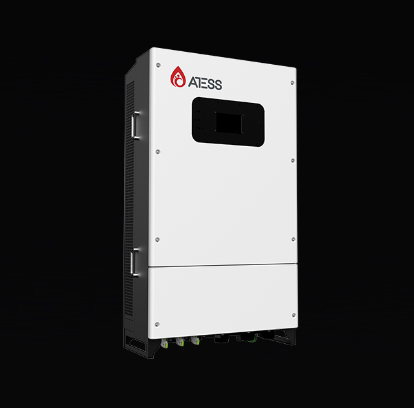
Effective management of renewable energy resources is essential for modern grid stability and household efficiency. Atess provides robust solutions designed to integrate seamlessly with various energy setups, ensuring that power remains reliable throughout the day. These systems are designed to balance solar generation, grid availability, and storage capabilities in a single unit.
Functions of Modern Hybrid Inverters
A hybrid inverter acts as the central brain for a photovoltaic installation, converting direct current from panels into usable alternating current. By utilizing a hybrid inverter, these units allow users to prioritize self-consumption of generated electricity, reducing reliance on the traditional grid. The hardware manages the flow of energy between the solar array, the battery bank, and the electrical panel with high precision.
Operational flexibility is a significant component of their design. When sun exposure is high, the system charges the connected batteries while powering the immediate load. Because the hybrid inverter handles multi-directional energy paths, it ensures that excess power is not wasted. This intelligent distribution is critical for maintaining a stable energy profile during periods of peak demand.
Advantages of Solar Hybrid Inverter Integration
Integrating a solar hybrid inverter into a residential or commercial setup offers a streamlined approach to energy management. These devices monitor input sources constantly to determine the most cost-effective path for power delivery. By automating the switch between battery discharge and grid input, they provide a consistent energy supply without manual intervention.
Technical efficiency remains a core focus of Atess equipment. The hardware is constructed to handle variations in voltage, protecting connected appliances from fluctuations. A well-implemented solar hybrid inverter configuration stabilizes the local supply, which supports the longevity of both the battery system and the solar panels. Furthermore, the capacity to store energy during off-peak hours and discharge it during high-tariff periods adds a layer of economic practicality for the user.
Reliable energy systems depend on quality hardware that functions predictably under various conditions. Through the installation of a solar hybrid inverter, users gain better control over their energy consumption and storage. These systems represent a functional approach to managing solar energy within contemporary electrical environments.
