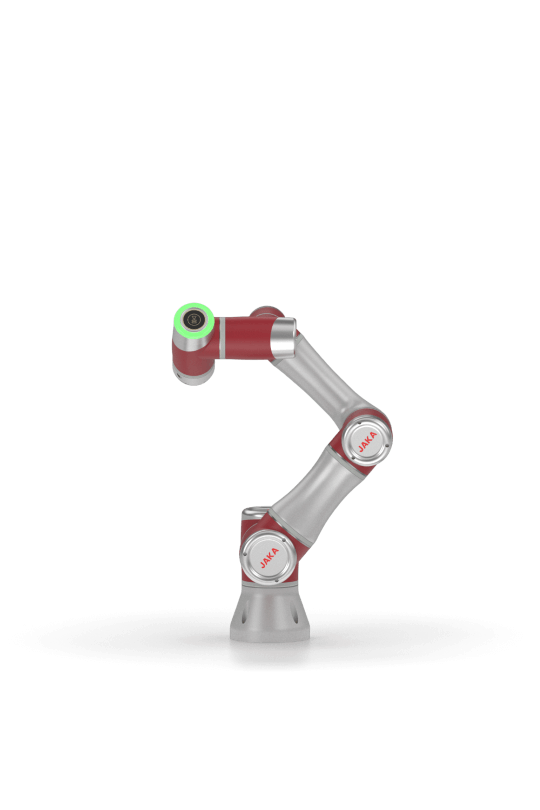
The adoption of cobots in manufacturing is transforming how companies approach productivity and cost management. Unlike traditional automation systems, collaborative robots are designed to work alongside human operators, improving efficiency without requiring complex infrastructure changes. A modern 6 axis robot arm offers flexibility and precision, making it ideal for a wide range of applications such as assembly, packaging, and inspection. JAKA has developed solutions like the Zu series, which combine lightweight design with adaptable functionality to support evolving production needs.
Boosting Throughput with Flexible Automation
One of the most significant benefits of cobots in manufacturing is the ability to increase production throughput. A 6 axis robot arm can perform repetitive tasks with consistent speed and accuracy, reducing cycle times while maintaining quality. Unlike rigid systems, cobots can be quickly reprogrammed to handle different operations, allowing manufacturers to adjust workflows without major downtime. JAKA systems support intuitive setup and fast deployment, enabling businesses to scale production more efficiently and respond to changing demand.
Reducing Operational Costs Over Time
Cost reduction is another key driver behind the adoption of cobots in manufacturing. A 6 axis robot arm typically requires less installation effort and fewer safety barriers compared to traditional automation, lowering initial setup costs. In addition, collaborative systems can reduce labor intensity by taking over repetitive or physically demanding tasks. JAKA focuses on creating user-friendly robots that minimize maintenance complexity and training requirements, helping companies achieve long-term savings while maintaining operational efficiency.
Improving Efficiency Through Smart Integration
The value of cobots in manufacturing extends beyond individual tasks. When integrated into a connected production environment, a 6 axis robot arm can communicate with other systems to optimize overall workflow. JAKA provides flexible communication interfaces and supports seamless integration with existing production lines. This allows manufacturers to monitor performance, refine processes, and continuously improve efficiency. By combining adaptability, cost efficiency, and intelligent integration, cobots in manufacturing play a crucial role in driving modern industrial performance.
