Cleaning requirements in public spaces, industrial areas, and service facilities are becoming more detailed. Operators need equipment that can handle larger areas while reducing repeated manual work. This change has increased interest in automated cleaning solutions that combine practical functions with easier operation.
Many businesses now consider how technology can improve daily maintenance tasks. A robot floor cleaner can help manage routine floor care, while other machines may be selected for outdoor areas or spaces with different cleaning conditions.
Changing Needs Behind Modern Cleaning Operations
Traditional cleaning methods often depend on workers using several tools for different tasks. Sweeping, dust collection, and surface washing may require separate steps. This approach can increase preparation time and make daily schedules harder to manage in larger locations.
A floor cleaning machine automatic system offers another option for routine maintenance. These machines can follow programmed routes or assist operators with repeated cleaning tasks. Their functions are designed around efficiency, space conditions, and the type of surface being cleaned.
However, automation does not mean every cleaning situation uses the same solution. Indoor floors, outdoor walkways, parking areas, and public spaces have different requirements. Businesses still need to evaluate factors such as area size, dust levels, traffic conditions, and operating methods before choosing equipment.
How Automated Equipment Supports Daily Cleaning
One reason automated machines are gaining attention is their ability to reduce repetitive tasks. In areas with regular cleaning schedules, equipment with smart functions can help operators spend more time on inspection and maintenance instead of only performing basic cleaning activities.
A robot floor cleaner can be suitable for structured indoor environments where routes and surfaces remain relatively consistent. It can assist with regular floor care in offices, shopping areas, and other facilities that require frequent cleaning.
For outdoor spaces, equipment design needs to consider different challenges. Dust, leaves, small debris, and larger open areas require stronger cleaning functions. Machines used in these environments usually combine sweeping, collecting, and dust control features to improve daily operation.
Selecting Equipment Based on Application Conditions
Before purchasing cleaning equipment, businesses should review the working environment carefully. Floor material, cleaning frequency, available storage space, and operator requirements all influence the final selection. A machine designed for one location may not fit another working condition.
Battery performance is also an important factor. Longer operation time can reduce interruptions during cleaning schedules. Noise levels and emission requirements may also affect equipment choices, especially in areas where visitors, residents, or employees are nearby.
Greendorph provides cleaning equipment solutions for different urban and facility cleaning needs. They develop machines that combine practical operation with multiple cleaning functions. Their equipment range includes solutions for areas that require regular maintenance and flexible cleaning methods.
Understanding the Functions of Omniclean Urban Street Sweeper YJ80
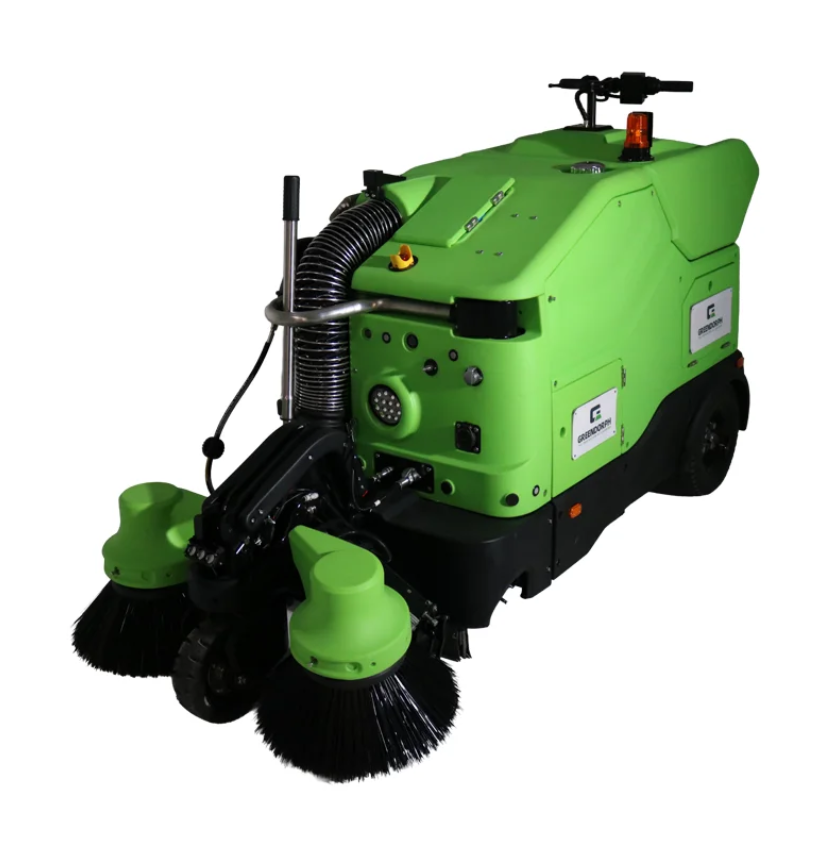
The Omniclean Urban Street Sweeper YJ80 shows how compact cleaning equipment can combine several functions in one unit. Greendorph YJ80 is a professional ride on sweeper designed for urban cleaning demands. It provides three operation modes: manual ride on sweeper machine, auto-follow, and towed traction.
These modes allow cleaning teams to select a suitable operation method according to different environments. The machine can be used for sidewalks, pedestrian areas, parking structures, and mid-sized outdoor spaces where flexible movement is needed.
The YJ80 uses a vacuum system that combines high-pressure flushing, water-spray cleaning, turbine blowing, targeted tube collection, and dust-suppression misting. This design helps replace the need for several separate cleaning tools during regular maintenance work.
Its compact structure supports movement in tighter areas. The floor cleaning machine automatic concept is reflected through the growing demand for equipment that reduces manual workload while keeping operation simple. For outdoor cleaning, flexible equipment design remains an important consideration.
Balancing Automation With Practical Operation
Although automated cleaning technology is developing quickly, human involvement remains important. Operators still need to check equipment conditions, adjust cleaning plans, and respond to different site situations. Technology works best when it matches real working requirements.
The YJ80 also focuses on practical daily use. It provides up to 8 hours of runtime on a single charge, with electric operation designed for quieter working environments and zero emissions during use. Its compact footprint helps cleaning teams handle different outdoor locations.
When businesses compare cleaning solutions, they should consider both current needs and future maintenance plans. Equipment flexibility, operating time, cleaning functions, and application range can influence long-term usability.
Moving Toward More Flexible Cleaning Solutions
The development of automated cleaning equipment reflects changes in how businesses manage facility maintenance. Instead of relying only on traditional methods, many operators are exploring machines that combine technology with practical cleaning functions.
Greendorph continues to provide equipment options for customers looking at modern cleaning methods. They focus on product design, functional integration, and application requirements to help businesses evaluate suitable cleaning solutions for different environments.
The growth of automated cleaning does not replace the need for planning. It creates more choices for companies that want to improve daily operations. By matching equipment features with actual working conditions, businesses can build more organized cleaning processes.
