A productive supplier meeting ends with answers that can be checked against a real project. These ten questions give investors a practical agenda for comparing water park manufacturers, from the first site drawing to the support required after opening. Each question identifies evidence worth bringing into the purchase decision.
A comparison record can list each answer, its supporting document and the person responsible for follow-up. Those entries keep the meeting focused on decisions the investor can verify, with unresolved items assigned for action.
- Can the Proposed Equipment Fit the Measured Site?
Measured boundaries and fixed structures define the space in which an equipment layout must work. A water park manufacturer can begin with CAD drawings or measured dimensions, then develop an arrangement around the available space and the experience the investor intends to provide.
The initial submission can mark access positions and conditions that cannot move. A proposal based on that information has something specific to answer, rather than treating the attraction mix as independent of the site.
- What Experience Will Each Selected Attraction Add?
Visitor motives can guide the attraction mix, since rider grouping changes how people participate together. Body rides, tube routes, shared rafts, racing lanes and bowls offer alternatives to evaluate against the intended audience and the experiences already planned for the development.
The enquiry can ask what each item contributes. Two strikingly different outlines may still offer similar participation, so the comparison needs a description of the experience rather than a list of product names alone.
- Who Manufactures the Equipment Being Offered?
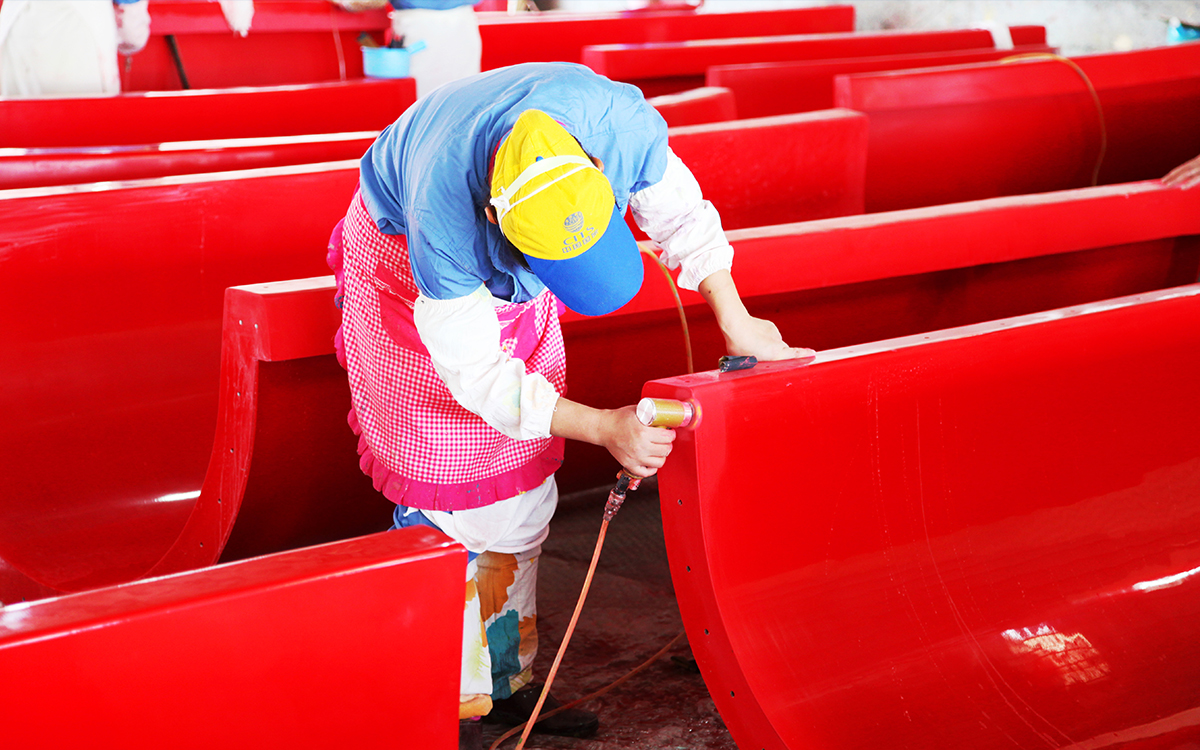
The equipment quotation needs a traceable production source so manufacturing capability can be checked. A water slide manufacturer can explain which equipment it makes and which factory resources support the order. The answer can be checked against the equipment actually included in the quotation.
Jinchao operates an approximately 36,000 m² manufacturing base and combines design, production, installation assistance and after-sales support. Its published experience covers more than 300 projects; that company-wide figure is a reference point for asking about relevant work.
- Which Previous Project Shares the Important Conditions?
Climate, layout and installation conditions determine whether a previous project provides a useful comparison. The examples supplied by water park manufacturers can be discussed with operators where practical, asking how each installation relates to the investor’s proposed development.
A forested hillside shaped the route of the 1,111 m slide manufactured by Jinchao for ESCAPE Penang. That example supports a discussion about a terrain-adapted route; a building-constrained project needs the same careful explanation of why its selected reference is relevant.
- What Is Included in the Quoted Price?
An equipment price leaves cost questions unanswered until the full supply boundary is identified. The quotation can distinguish manufacture, freight, installation assistance and the local work outside the supply package, allowing investors to compare proposals covering the same responsibilities.
Separate entries also expose questions about unloading, storage and lifting. A low equipment total cannot answer who supplies those resources or where their cost belongs in the development budget. The answer can name the party responsible before the purchase proceeds.
- Who Provides the Installation Team and Resources?
Unassigned site roles leave uncertainty about the people and resources needed for the planned installation. The water park manufacturer can identify its contribution while local contractors identify labour, lifting and foundation responsibilities for the proposed arrangement.
The buyer bears the labour, travel, insurance and related expenses associated with overseas installation guidance from Jinchao. A written scope can explain how that provision connects with the resources the investor must arrange locally. The programme can state when each party must be on site.
- Which Materials and Rider Configuration Are Specified?
A material name or broad size range cannot identify the ride arrangement an investor is buying. The water slide manufacturer can attach the material, rider grouping and relevant dimensions to the particular model and arrangement proposed for the project.
The same reference needs to appear in later technical discussions. An alternative format requires its own specification, with required space and approximate throughput examined as part of that configuration.
- Which Drawings Will Authorise Manufacture?
Foundations, supports and equipment rely on compatible drawings, so approval needs an identifiable reference. Investors comparing water park manufacturers can ask how the selected arrangement is recorded and how a subsequent revision reaches the parties working on it.
The answer can identify the approved version and the responsibility for resolving changes. Local approval requirements remain specific to the project; an equipment proposal alone does not settle them. A revision record can show which earlier instruction has been replaced.
- What Happens after Assembly and before Routine Operation?
Assembly alone leaves operating checks and staff preparation outstanding before an attraction enters routine service. Commissioning, instructions and training responsibilities can be clarified with the water slide manufacturer for the purchased package.
Jinchao provides operation, safety and routine-maintenance training. Questions can distinguish the equipment checks from staff familiarisation, so both have a visible place before the investor accepts routine operating responsibility. The receiving staff can identify which questions remain unresolved at handover.
- How Will Parts and Technical Questions Be Handled?
An operator needs to identify replacement parts and follow unresolved issues after the original purchase. The water park manufacturer can clarify contact arrangements and provide written answers about spare-part lead times for the equipment concerned before equipment is ordered.
An investor can retain those answers beside the agreed drawings and quotation. The ten-question review then leaves a usable purchase record: what is supplied, who completes each task and where the operating team directs the next technical question.
